

Interior Design & MEP
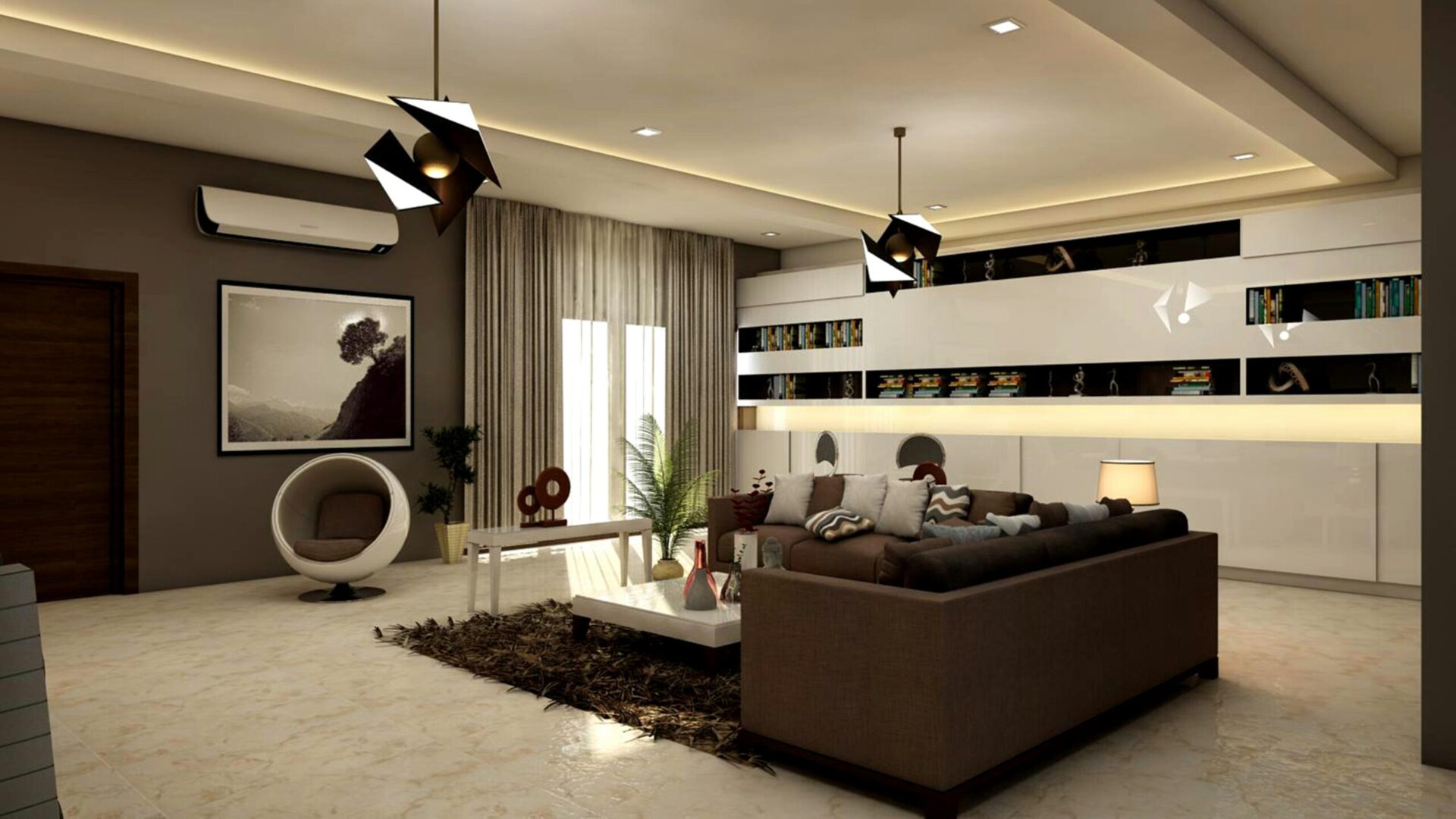
Description Of The Service
Interior designing is the professional discipline that determines how a space looks, how it feels, and how it performs in everyday use. It is far more than selecting colours and furniture. Skilled interior designing shapes the way people move through a room, how natural and artificial light falls across surfaces, how materials age and wear over years of use, and how every technical system from electrical wiring to air conditioning integrates invisibly within a finished environment. When interior designing is done well, the result is a space that feels effortless. Every element appears considered, every function is accessible, and every detail contributes to the overall quality of the lived or worked-in experience.
At Wilman Infra Projects, interior designing is delivered as a fully integrated service that combines spatial planning, material specification, lighting design, and complete MEP coordination under a single managed process. We do not treat interior designing as a surface-level exercise applied after the building is complete. We integrate design thinking from the earliest stages of a project, ensuring that the interior environment and the technical systems that support it are developed together, in coordination, from the first concept drawing through to the final handover inspection.
Our interior designing services are delivered across residential developments including individual homes, multi-unit apartment schemes, and premium living spaces, as well as commercial environments including offices, retail units, and hospitality projects. Every interior designing project we undertake begins with a thorough understanding of how the space will be used, who will use it, and what experience it needs to create. This understanding shapes every decision that follows, from the structural partition layout to the specification of the last door handle.
Interior designing and MEP services are inseparable in a well-executed project. The mechanical, electrical, and plumbing systems that run through a building determine what is possible in the interior space above and around them. Ceiling heights, lighting positions, air terminal locations, and electrical point placements are all direct products of MEP design decisions. By coordinating interior designing and MEP within the same team and the same process, Wilman Infra Projects eliminates the conflicts between design intent and technical reality that are the most common and most costly source of delays and rework in interior fit-out projects.
The result of genuinely coordinated interior designing and MEP is a space that is not only visually refined and carefully detailed but also technically sound, energy efficient, compliant with all applicable regulations, and straightforward to maintain over its full design life. This is the standard we apply to every interior designing project we deliver, regardless of scale, budget, or building type.
1. Interior Space Planning and Layout Design:
The foundation of every successful interior designing project is a space plan that works. We develop detailed layout designs covering partition arrangements, furniture strategy, circulation routes, zoning of different use areas, and ceiling concepts that define the overall spatial character. Space planning in interior designing is not simply about fitting furniture into a floor plan. It is about understanding how people will move through and use the space, and designing every element to support that use intuitively and efficiently. These early interior designing decisions also directly influence MEP design, as ceiling heights, room dimensions, and partition positions determine how building services are routed and integrated.
2. Material and Finish Selection:
Interior designing requires material and finish choices that balance visual quality, durability, maintenance requirements, and budget. We develop complete material palettes covering flooring, wall finishes, ceiling systems, joinery specifications, sanitaryware, ironmongery, and soft furnishing strategies. Every material selected in our interior designing process is assessed not only for its aesthetic contribution but also for its practical performance over the full life of the space. We specify materials that age well, clean easily, and retain their quality under the level of use the specific space will experience. This practical rigour is what separates professional interior designing from purely decorative decision-making.
3. Electrical and Lighting Design:
Lighting is one of the most powerful tools in interior designing. It determines how a space feels at different times of day, how colours and textures read in different conditions, and how comfortable and productive the environment is for the people who use it. Our interior designing team develops full lighting schemes covering natural light management, ambient lighting layers, task lighting positions, accent lighting features, and control system strategies. All lighting design is coordinated with the electrical distribution layout and structural ceiling system to ensure that every fixture can be installed as designed without conflict with structure or other services.
4. Plumbing and Water Systems:
Water supply, drainage, sanitary layouts, and specialist wet room or kitchen plumbing are designed and coordinated as an integral part of our interior designing process. Plumbing positions directly affect the layout of bathrooms, kitchens, utility rooms, and any other wet area within the interior designing scheme. We coordinate all plumbing routing against partition drawings and structural layouts from the earliest design stages to ensure that pipe routes are concealed as the interior designing intent requires and that all connections are accessible for future maintenance without disruption to finished surfaces.
5. HVAC and Ventilation Systems:
Heating, cooling, and ventilation systems are the infrastructure that makes an interior designing scheme genuinely habitable and comfortable across all seasons and conditions. Air terminal positions, ductwork routes, fan coil unit locations, and control system layouts are all coordinated against the interior designing drawings to ensure that no visible element of the HVAC system conflicts with the design intent. Our interior designing and MEP coordination process ensures that grilles, diffusers, and fan coil units are positioned precisely where the ceiling and wall design requires them, and that all ductwork runs are concealed within ceiling voids and service risers without compromising ceiling heights.
6. MEP Coordination and Integration:
The coordination of all mechanical, electrical, and plumbing systems within the interior designing scheme is one of the most technically demanding aspects of any fit-out project. Service routes, air terminals, electrical points, data outlets, fire detection devices, sprinkler heads, and lighting positions must all be resolved against each other and against the interior designing drawings before any installation work begins on site. Our interior designing team manages this coordination process using detailed layout drawings and clash detection reviews to ensure that all systems integrate without conflict and that the finished space matches the design intent precisely.
7. Drawings, Documentation and Handover Records:
Complete interior design and MEP documentation including space plans, reflected ceiling plans, electrical layouts, plumbing schematics, finish schedules, material specifications, and commissioning records are prepared progressively throughout every project. This documentation supports accurate installation by all trades, enables regulatory approvals to be obtained without delay, and provides the client with a complete record of the interior designing and MEP works for future reference, modification, or maintenance planning.
Interior Design Brief and Space Planning:
We begin every interior design project with a detailed brief that covers how the space will be used, the occupancy profile, the experience it needs to create, operational requirements, and the available budget. From this brief we develop a comprehensive space plan that defines partition layouts, furniture strategy, circulation routes, and ceiling concepts. These early design decisions establish the spatial framework within which all subsequent design and technical work takes place. Getting the space plan right at this stage is one of the most important factors in achieving a space that functions as well as it looks.
Interior Design Development:
Materials, Finishes and Lighting With the space plan confirmed, we develop the detailed design palette covering material selections, finish specifications, joinery details, flooring strategies, sanitaryware choices, and lighting design. Every element of the design scheme is developed in close coordination with the MEP systems that will run above and around it. Lighting layouts, fixture specifications, and control system strategies are aligned with the structural ceiling system and electrical distribution design. Feature lighting and architectural lighting elements require precise coordination to ensure correct structural support, electrical connections, and dimming control integration.
MEP Design and Coordination:
All mechanical, electrical, and plumbing systems including ventilation, air conditioning, heating, water supply, drainage, electrical distribution, fire detection, and data networks are designed in full coordination with the interior design layout. Service routes, air terminal positions, electrical socket and switch locations, and data outlet positions are carefully resolved against ceiling plans, partition drawings, and furniture layouts to ensure seamless integration across all disciplines. No project progresses to installation without a fully coordinated set of MEP drawings that have been checked against the design scheme for clashes and resolved.
Fit Out Installation and Trade Sequence Management:
We manage the installation sequence for all fit out works to prevent trade conflicts and protect completed surfaces and finishes. First fix MEP including electrical conduit, plumbing pipework, and ductwork is completed before partitions are erected. Partition framing and plasterboard follow, with MEP second fix and finishing trades sequenced to protect quality at every stage. Maintaining this structured sequence is the difference between a project that completes cleanly and one that accumulates rework, damage, and delay as trades work over each other.
Commissioning, Balancing and System Testing:
All MEP systems installed as part of the project are fully tested and commissioned before handover to verify that they operate exactly as the design and engineering specifications require. This includes air balancing for HVAC systems, electrical testing and certification, water system flushing and treatment, fire detection and suppression commissioning, and building management system configuration. Full commissioning documentation is provided to the client as part of the project handover file.
Interior Design Snagging, Final Inspection and Handover:
The final stage of every interior design project at Wilman Infra Projects is a thorough snagging and inspection process that checks every element of the design scheme against the original drawings and specifications. Finish quality, alignment tolerances, joinery fit, material consistency, lighting performance, and MEP system operation are all assessed and any items not meeting the required standards are resolved before handover is accepted. The client receives a complete project file covering all drawings, specifications, commissioning records, warranties, and maintenance guidance.
Spaces We Design
Our designing services are delivered across a diverse range of spaces and project types throughout Uttar Pradesh and northern India. Every space presents its own design challenges, user requirements, technical demands, and performance expectations. Our experience across all of them means we bring genuinely relevant, informed interior designing expertise to every project brief rather than applying a generic design approach that does not reflect how each space is actually used.
- Complete home interior design projects covering drawing rooms, dining areas, family rooms, and open-plan living environments require a design approach that balances visual quality with the practical durability of daily family use. Our interior designing team develops cohesive schemes that create a consistent aesthetic throughout the entire home while giving each room its own distinct character, atmosphere, and functional identity. From the entrance lobby to the last detail of the family room joinery, our residential interior designing service covers every element of the home with the same level of care and precision.
- Interior Designing in Bedroom Spaces Interior designing in bedroom spaces is one of the most personally significant aspects of any residential project. A bedroom must function as a place of genuine rest, privacy, and personal sanctuary, and achieving that requires interior designing that addresses lighting control, acoustic comfort, material warmth, bespoke storage design, and full MEP coordination within a single integrated process. Our interior designing in bedroom service covers master bedrooms, guest bedrooms, children’s bedrooms, and combined bedroom and study spaces, delivering sleeping environments that are beautifully finished, technically sound, and genuinely restorative for every occupant.
- Interiors design for kitchen and dining environments combines the highest level of technical complexity with the most demanding aesthetic requirements of any room in the home. Kitchen interior designing requires precise coordination of electrical systems, plumbing connections, ventilation and extraction, structural support for overhead units, and appliance integration alongside the cabinetry design, worktop specification, flooring selection, and lighting scheme. Our interior designing team manages all of these disciplines together to deliver kitchen spaces that are as functional and reliable in daily use as they are visually exceptional.
- Interiors design for bathroom and wet room spaces demands the highest standards of waterproofing, drainage coordination, plumbing integration, and material specification alongside the premium aesthetic quality expected from a professional interior designing service. We design and specify walk-in shower enclosures, wet room systems, freestanding baths, bespoke vanity units, and complete sanitaryware selections that create spa-quality bathroom environments. Every bathroom interior designing project is coordinated with the MEP drawings from the outset to ensure that all plumbing connections are correctly positioned and that finished surfaces are protected throughout the installation process.
- Interior design for commercial offices, reception areas, boardrooms, meeting rooms, and collaborative workspaces operates on a different set of priorities from residential interior designing. Acoustic performance, workplace compliance, brand identity expression, future flexibility for reconfiguration, and the ability to create productive and inspiring working environments are all central to the commercial interior designing brief. Our interior designing team delivers commercial spaces that reflect the client’s brand values, support the way their teams work, and meet all applicable workplace regulations without compromising the quality and character of the interior designing scheme.
- Interior design for hotels, restaurants, cafes, retail showrooms, and customer-facing commercial spaces requires a thorough understanding of how interior designing influences customer behaviour, dwell time, brand perception, and commercial performance. Every material, lighting decision, spatial arrangement, and furniture selection in a hospitality or retail interior designing project directly affects how customers experience the space and how successfully the business operates within it. Our interior designing team brings both the creative capability and the technical coordination discipline that hospitality and retail interior designing demands to deliver spaces that perform commercially as well as they look visually.
Ready to work together
Whether you have a project in mind and you’re looking for a reliable construction partner or you’re looking to take the next step in your career, we want to hear from you!

Our Approach to Project Delivery
Consultation & Planning
We begin with a thorough consultation to understand your vision, budget, and project goals. Our team works with you to develop a tailored plannn
Design & Pre-Construction
We begin with a thorough consultation to understand your vision, budget, and project goals. Our team works with you to develop a tailored plannn
Construction & Delivery
We begin with a thorough consultation to understand your vision, budget, and project goals. Our team works with you to develop a tailored plannn